

The Rise of Soft Architecture: A Shift in Home Design Trends
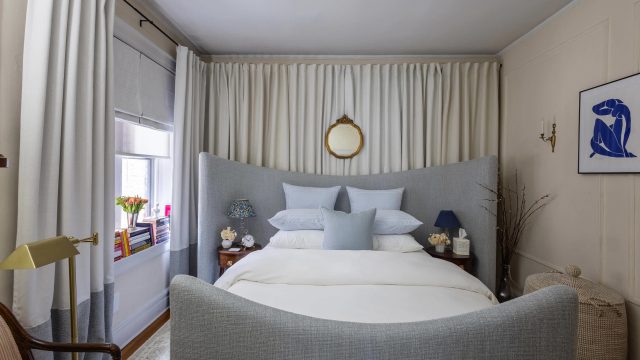
Key Takeaways
- Soft architecture promotes rounded shapes and softer materials.
- This trend enhances the feeling of comfort in living spaces.
- It reflects a societal shift towards well-being in design.
- Popular in urban areas like Jakarta and Bali.
- Soft architecture aims to create inviting and cozy environments.
The Evolution of Home Design Trends
Home design has always been a reflection of societal values and lifestyle changes. Recently, a notable shift towards what is being called "soft architecture" has emerged. Characterized by its rounded shapes, gentle lines, and cozy materials, this approach to design marks a departure from the hard, angular aesthetics that dominated previous decades. As we delve into this trend, we explore its significance and why it resonates with today's homeowners.
Why Soft Architecture Matters Now
In a world increasingly marked by stress and uncertainty, the need for comfort has never been more pronounced. The COVID-19 pandemic has shifted priorities, prompting individuals to seek solace within their homes. Soft architecture addresses this need by creating spaces that feel warm and inviting, which is crucial in these turbulent times. Furthermore, with urban densities rising in Southeast Asian cities like Jakarta and Surabaya, this trend offers solutions for creating nurturing environments amid the hustle and bustle.
Key Elements of Soft Architecture
Soft architecture encompasses various design elements that contribute to its overall philosophy. Here are some key characteristics:
- Curved Lines: Unlike traditional architecture that favors sharp angles, soft architecture embraces curves, making spaces feel more welcoming.
- Natural Materials: The use of materials like wood, soft textiles, and organic forms fosters a connection to nature, enhancing the soothing atmosphere.
- Color Palettes: Soft, muted colors create an inviting backdrop, promoting relaxation and calmness in living areas.
- Flexible Spaces: Designs that allow for multifunctionality reflect modern living needs, particularly in smaller urban environments.
Impact on Interior Design
Interior design is experiencing a renaissance, with soft architecture influencing how spaces are decorated. Cozy furniture, plush textiles, and warm lighting are becoming staples in contemporary homes. In cities across Indonesia, homeowners are opting for designs that prioritize comfort and warmth, moving away from minimalistic and stark aesthetics. This trend not only enhances the visual appeal of spaces but also contributes to emotional well-being, making home environments more conducive to relaxation.
Inspirational Examples
Several renowned architects and designers are at the forefront of soft architecture. Projects in Bali showcase stunning villas with flowing lines and natural materials, seamlessly blending with the lush surroundings. These designs invite residents to experience tranquility and connection with nature, serving as a testament to the effectiveness of soft architecture in creating peaceful retreats.
Conclusion: Embracing the Future of Design
The rise of soft architecture signifies a broader cultural shift towards prioritizing comfort and emotional well-being in our living spaces. As we continue to navigate the complexities of modern life, this trend remains relevant, offering solutions that not only beautify our homes but also support our mental health. With its roots firmly planted in the desire for cozy and inviting environments, soft architecture is poised to shape the future of home design for years to come.

- 2026-06-21Discover Georgia's Most Quirky Landmark: A Must-Visit Experience | slot online olympus pagcor, agen
- 2026-06-23pgAdmin 4 Update: Essential Security Enhancements and New Features Unveiled | kode slot higgs domino
- 2026-06-23Exploring the Legacy of Sei Miguel Through New Music Collections | wheel of fortune slot game online
- 2026-06-24Tim Lovelace Launches New Book: A Blend of Humor and Heart | rtp bet88score, live slot rtp, manisqq
- 2026-06-24Uncovering Nostalgia: The Stories That Shaped LGBTQ+ History | klub terbaik sepanjang masa, frutz sl
