

Texas Embraces AI Data Centers: A New Model for Sustainable Energy Use
Key Takeaways
- Texas approved AI data centers near wind farms.
- New measures require curtailment during grid emergencies.
- This model could influence other states in the U.S.
- Strategies aim to balance energy supply and demand.
- Demand response participation is limited under new regulations.
Understanding the Approval
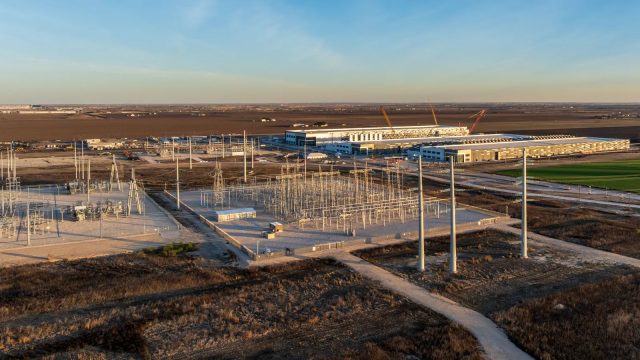
In a significant move towards sustainable energy solutions, Texas regulators have approved the establishment of AI data centers situated next to existing wind farms. This decision reflects a growing trend to harness renewable energy resources effectively while addressing the increasing energy demands from high-technology industries, particularly artificial intelligence. The approval comes with stipulations that require these data centers to curtail operations during grid emergencies, ensuring that energy supply remains stable for the broader community.
Why This Matters Now
The implications of this approval extend beyond Texas as the state serves as a benchmark for energy policy across the United States. With the rapid growth of AI technologies and their substantial energy consumption, aligning these centers with renewable resources presents a potential model for other regions grappling with similar challenges. Moreover, as Southeast Asia continues to develop its energy infrastructure, including markets like Indonesia, insights from this Texas model could offer valuable lessons in balancing technological progress with environmental responsibility.
The Role of Wind Energy
Wind energy is becoming an integral part of Texas's power grid, contributing significantly to the state's energy mix. By situating AI data centers near wind farms, the plan aims to maximize the use of renewable energy. This co-location strategy not only enhances energy efficiency but also minimizes the carbon footprint associated with data processing operations.
Impact on Grid Stability
The integration of AI data centers with wind energy sources is also designed to fortify grid stability. The requirement for curtailment during peak demand reflects a proactive approach to managing potential overloads on the system. This means that when the grid is under stress, these centers will need to scale back their energy use, ensuring that residential and commercial users receive the energy they require without interruption.
Future Implications for Energy Policy
The Texas model could serve as a guiding framework for other states and countries, particularly within the ASEAN region, where energy policy is continuously evolving. As countries like Indonesia work towards enhancing their energy policies amidst rapid industrialization, adopting similar strategies could lead to a more sustainable energy future.
Conclusion
The recent approval for AI data centers next to wind farms in Texas marks a pivotal step towards integrating advanced technology within a framework of sustainability. As energy demands rise and technology evolves, it will be crucial for other regions to observe Texas's approach and consider how renewable energy can complement high-energy industries. The decisions made today could shape a more resilient and sustainable energy landscape for the future.

- 2026-06-25Taylor Frankie Paul's Bachelorette Season Set to Premiere Soon | basketball psg, game online gratis
- 2026-06-24The Rise of Dress Sneakers: Fashion’s New Professional Staple | download film makmum 1, 4d hari ini
- 2019-02-21The detachable bicycle has a rear seat that can be turned into a large lock, so you no longer have t
- 2026-06-23Exploring the Latest Trends in Digital Gaming and Online Entertainment | fox sports bet, jinga888, q
- 2026-06-25NBA Draft 2026: Key Insights on Winners, Losers, and Fan Reactions | vcs 777 slot, bintang777, slotb
